3D + GENERATIVE ART + ANIMATION
Strata
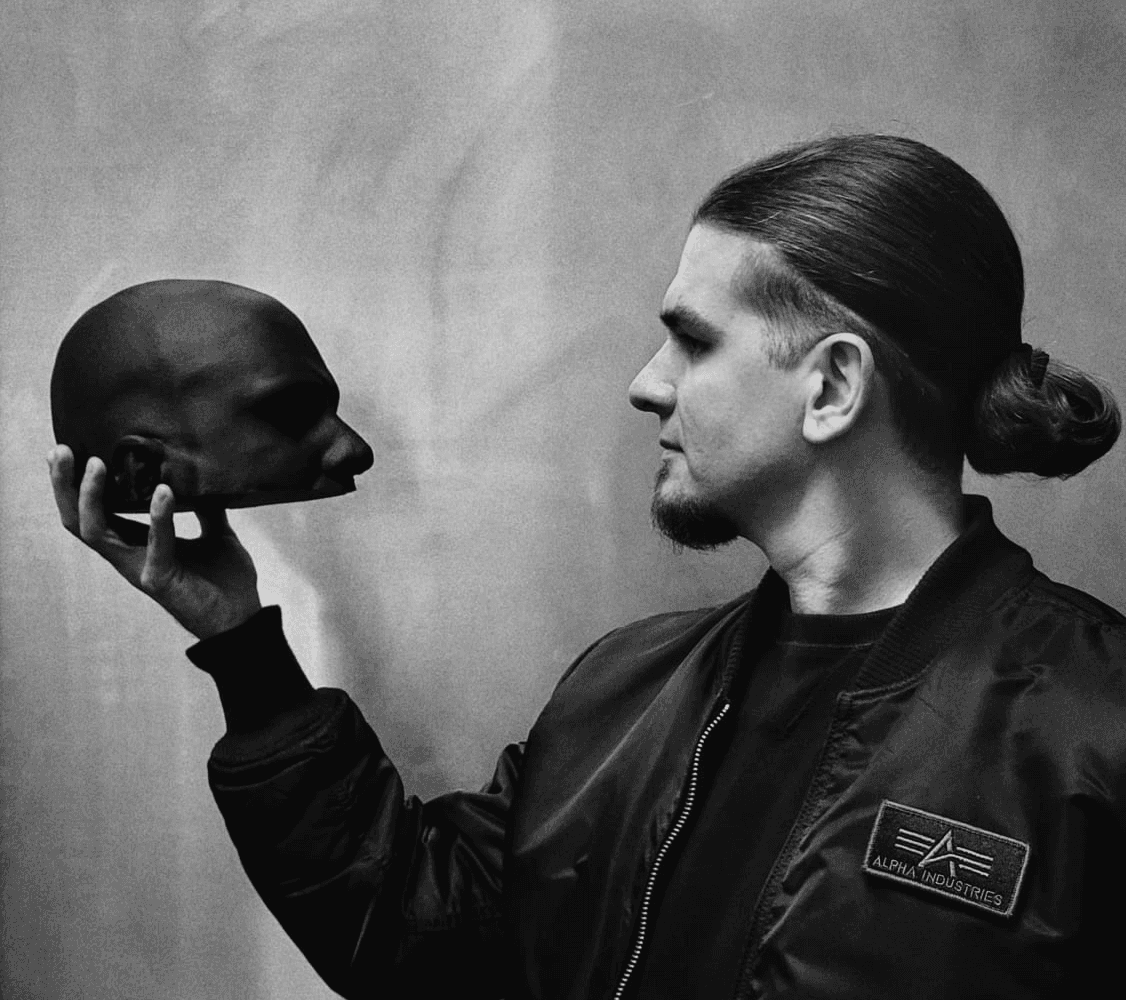
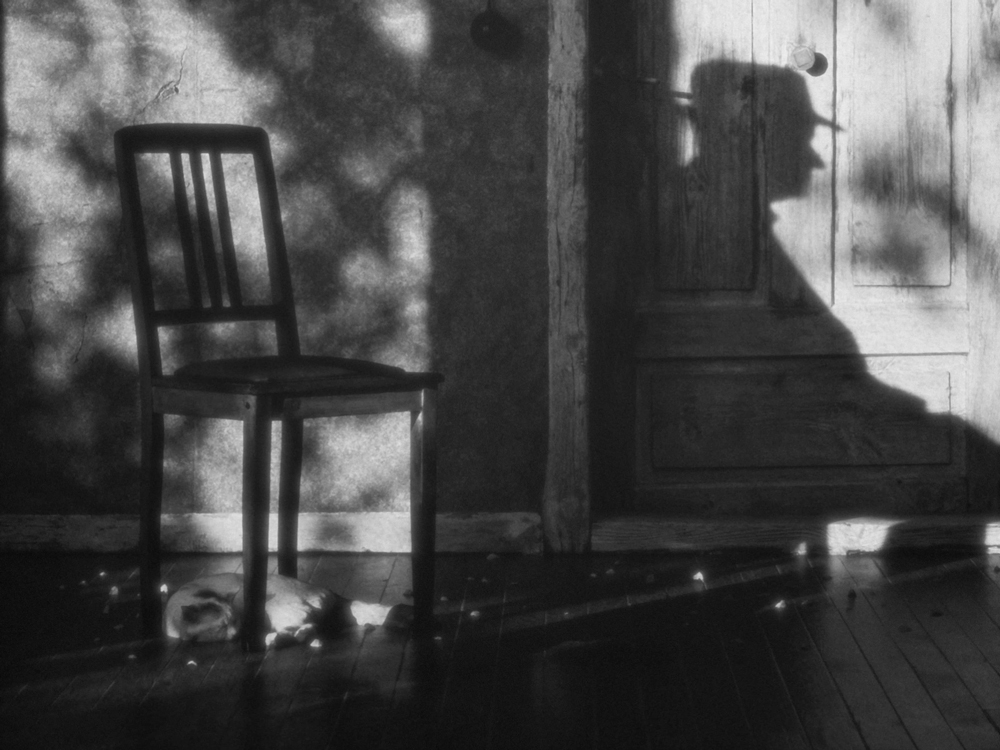
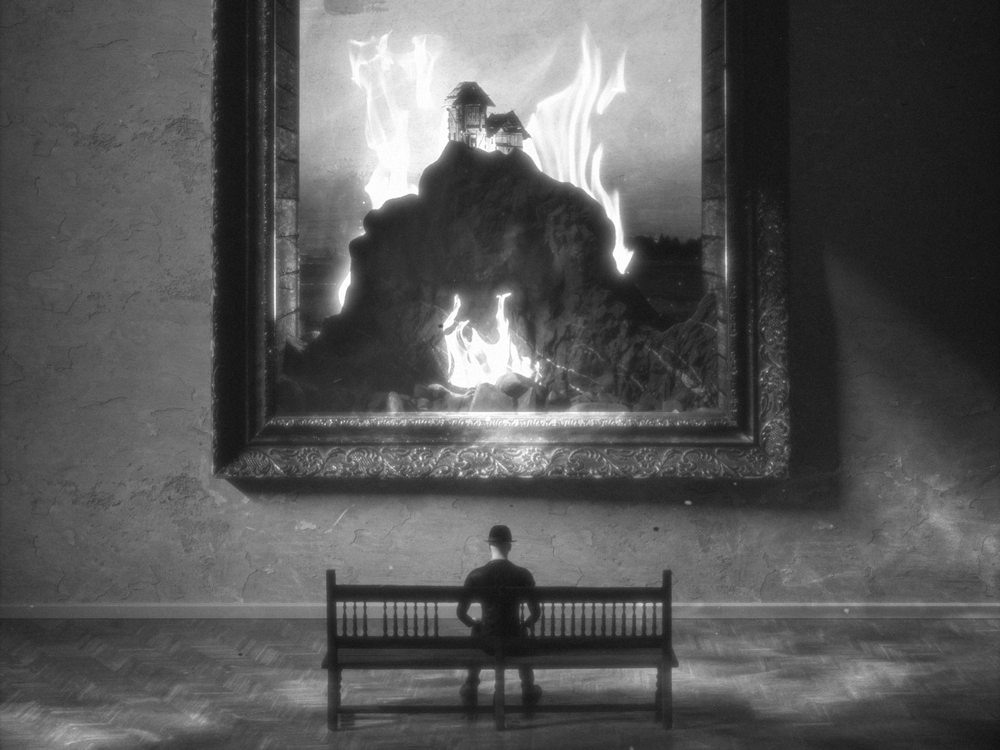
Strata explores the anatomy of creativity. Each work reveals another layer of the artistic process, from visible outcomes to the hidden foundations, ideas, and impulses that give birth to art.
While working with the MRI material, I experimented with many methods of data extraction. The video above is not exactly a full work-in-progress recording, but rather a presentation of selected stages from the process of working with the scan itself.
At first, I tried working with images exported using the browser provided by the hospital. I wrote a Python script to stack the images on top of each other in a way that would create a spatial representation of the scan - using the images as an alpha channel and the white areas as an emission shader.
Unfortunately, this approach turned out to be very limiting. I couldn’t really manipulate the object itself. So I tried another method: using Geometry Nodes to turn the images into a point-density map of glowing voxels. That, however, resulted in multiple crashes - and I almost burned out my computer by generating over a million objects in Blender.
Eventually, I discovered a plugin for Blender called Bioxel Nodes, which reads data directly from MRI files. This gave me much more freedom in recovering details from the scan. By adjusting the density threshold, I was able to extract the face, the skull (distorted), the circulatory system, and the brain.